Best Horror Story And Emotional Scene Prompts For Google Veo 3

By 2026, the landscape of AI video generation has shifted from simple “moving pictures” to high-fidelity cinematic experiences. Google Veo 3 has emerged as the gold standard for creators, offering unparalleled control over lighting, physics, and, most importantly, human expression. Whether you are an indie filmmaker or a content creator, mastering the art of the prompt is the key to unlocking these capabilities.
Creating a scene that truly resonates—whether through spine-tingling fear or heart-wrenching sorrow—requires more than just a basic description. It requires a deep understanding of cinematic language and how Veo 3 interprets narrative weight. This guide provides the most effective, tested prompts for 2026 to help you push the boundaries of AI storytelling.
<img alt="Veo – Google DeepMind" src="https://lh3.googleusercontent.com/uQVD68eUGz52gAlVl3kfuqzo6ke2uKf6ZZS5gBV7I8LzEtPMJxalQ6fkzd-KoZJymFXMfQefFT9OO7NbfZtUYkAz0hiDLrdCZ-fxIiHkFSSm4Hyw=w1440″ style=”max-width:100%; height:auto; border-radius:8px; margin: 1rem 0;” />
The Evolution of Prompting: Why Veo 3 is Different in 2026
In previous years, AI struggled with “the uncanny valley,” often failing to capture the subtle nuances of a tear rolling down a cheek or the jagged shadows of a horror set. Veo 3.1 has solved these issues by integrating multi-modal physics engines that understand how light interacts with skin and how fabric moves in a breeze.
When prompting for Veo 3, you are no longer just describing a scene; you are directing a virtual crew. You must consider camera angles, focal lengths, and color grading to get the best results. The AI now responds to technical filmmaking terms better than generic adjectives.
Best Horror Story Prompts for Google Veo 3
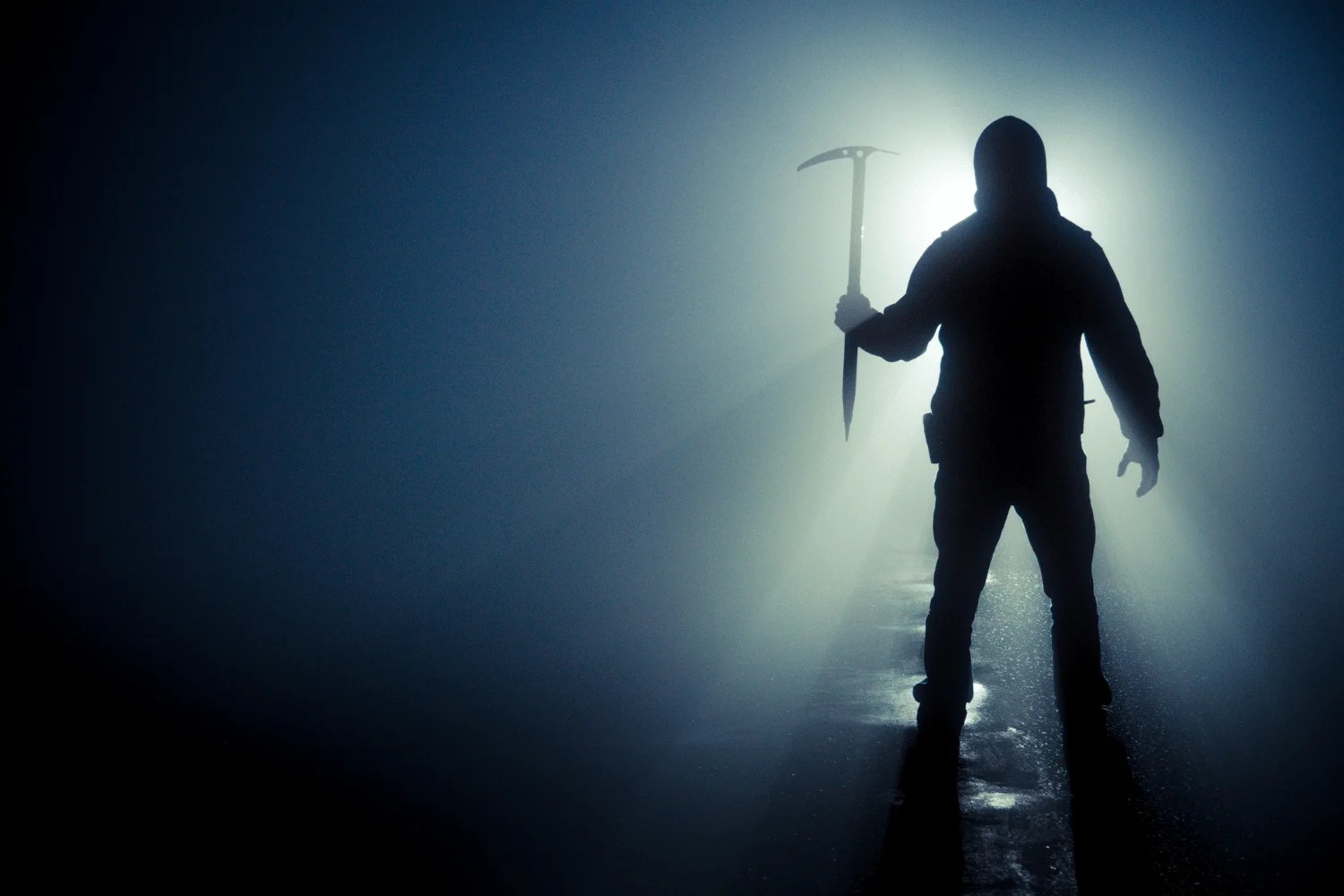
Horror in AI video thrives on atmospheric tension and visual subversion. To create a truly terrifying scene, focus on the contrast between light and dark, as well as the “unseen” elements that Veo 3 renders with haunting realism.
1. The Psychological “Uncanny” Prompt
“Extreme close-up, 35mm film grain, a Victorian porcelain doll sitting on a velvet chair. As the camera slowly zooms into the doll’s eyes, the pupils subtly dilate and a single, human-like tear of black ink leaks out. Chiaroscuro lighting, heavy shadows, flickering candlelight, 4K photorealistic.”
2. The Atmospheric Supernatural Prompt
“Wide shot, low angle, a desolate hallway in an abandoned 1970s hospital. Fluorescent lights flicker in a rhythmic, heartbeat-like pattern. In the distance, a tall, distorted silhouette begins to sprint toward the camera, its limbs moving with unnatural, jerky fluidity. Motion blur, cold blue color grade, cinematic suspense.”
3. The Folk Horror Prompt
“Handheld camera, found-footage style. A group of hikers stumbles upon a circle of towering wooden effigies in a misty forest at dusk. The effigies begin to slowly rotate their heads to follow the hikers. Volumetric fog, muted earthy tones, high-tension atmosphere, hyper-realistic textures.”
Crafting Emotional Resonance: Prompts for Deep Connection
In 2026, the most impressive feature of Google Veo 3 is its ability to render micro-expressions. Capturing grief, nostalgia, or pure joy requires prompts that focus on the “quiet moments” rather than grand gestures.
1. The “Grief and Memory” Prompt
“Medium shot, soft morning light filtering through a dusty window. An elderly man sits at a kitchen table, holding a faded photograph. His hands tremble slightly, and his expression shifts from a faint, nostalgic smile to a sudden, crushing look of realization. Shallow depth of field, warm golden hour tones, 8K resolution.”
2. The “Bittersweet Farewell” Prompt
“Cinematic wide shot, a rainy train station platform at night. Two lovers stand under a single umbrella, their foreheads touching. The camera orbits them slowly as the train pulls away in the background, blurring the lights into a bokeh effect. Tears mix with raindrops on their cheeks. Emotional intensity, teal and orange cinematic color grade.”
3. The “Pure Joy” Prompt
“Slow-motion, 120fps. A young child running through a field of sunflowers, looking back at the camera with a laugh that feels audible. The sunlight catches the golden dust motes in the air. Vibrant colors, high dynamic range, feeling of freedom and innocence.”
<img alt="How to create effective prompts with Veo 3 – Google DeepMind" src="https://lh3.googleusercontent.com/yvW2PN1h00-FNUjuF76zSHSTGke7wme6qCYJVmlzZ-JRNp7BN6IxyawTmIPq4r6ansDgZtJOJYZa301KCimhimxkPHGrChbqGhxTzu=w1440-h810-n-nu” style=”max-width:100%; height:auto; border-radius:8px; margin: 1rem 0;” />
Technical Tips for High-End Veo 3 Outputs
To ensure your prompts yield the best results in the 2026 version of Veo 3, keep these technical strategies in mind:
- Specify the Lens: Use terms like “85mm” for portraits (emotional scenes) or “14mm wide-angle” for environmental horror.
- Direct the Lighting: Instead of saying “dark,” say “low-key lighting with high contrast” or “rim lighting to highlight the silhouette.”
- Control the Movement: Use “Dolly zoom,” “Pan left to right,” or “Steadycam follow” to give your AI video a professional, intentional feel.
- Negative Prompting: If your interface allows, always exclude “cartoonish, low resolution, distorted faces, bright colors” when aiming for a cinematic horror vibe.
Leveraging Veo 3’s Sound Integration
One of the breakthrough features of 2026 is Veo 3’s integrated Foley and score generation. When writing your prompt, you can now include auditory cues. For example, adding “the sound of wet footsteps on concrete” or “a low-frequency drone that builds in pitch” will prompt the AI to generate a matching audio layer, saving hours in post-production.
Pro Tip: Combining visual prompts with specific audio descriptions creates a much more cohesive “vibe” that the AI uses to inform the pacing of the video.
Conclusion: The Future of AI Storytelling
Google Veo 3 has transformed the way we think about digital creation. By using these horror and emotional prompts, you aren’t just generating content; you are crafting experiences. The key to success in 2026 is the marriage of technical filmmaking knowledge with the limitless possibilities of generative AI.
As you experiment with these prompts, remember that the best results often come from iterative prompting. Start with a core idea, see how Veo 3 interprets the physics and emotion, and then refine your technical keywords to achieve your perfect cinematic vision.