How To Get Started With Google Veo 3 Ai Video Generation In 2026

The landscape of digital content creation has shifted dramatically. If you are looking to harness the power of artificial intelligence to produce cinematic, high-fidelity clips, Google Veo 3 is the industry standard you need to master this year. As we move further into 2026, Veo 3 has evolved from a experimental tool into a robust engine for professional-grade AI video generation.
Whether you are a digital marketer, a filmmaker, or a social media creator, learning how to leverage this model is essential. In this guide, we will break down exactly how to get started, the best prompting strategies, and how to access the platform to streamline your creative workflow.

Why Google Veo 3 is a Game-Changer in 2026
Google Veo 3 represents a significant leap forward in generative video technology. Unlike its predecessors, Veo 3 integrates sophisticated audio-visual synchronization, meaning the model doesn’t just generate visuals—it creates a cohesive soundscape that matches the action on screen.
This model is designed to understand complex cinematic language. From camera movements like “dolly zoom” or “pan” to specific lighting conditions like “golden hour” or “dramatic noir,” Veo 3 processes these instructions with unprecedented accuracy. By reducing the time required for post-production, it allows creators to iterate on ideas in seconds rather than days.
Accessing Google Veo 3: The Three Main Pathways
Getting started with Veo 3 is simpler than ever. Depending on your needs—whether you are an individual developer or a creative agency—there are three primary ways to access the model:
- Google AI Studio: This is the developer-centric hub. It provides an intuitive interface where you can experiment with Veo 3 APIs, adjust parameters, and integrate video generation directly into your own applications.
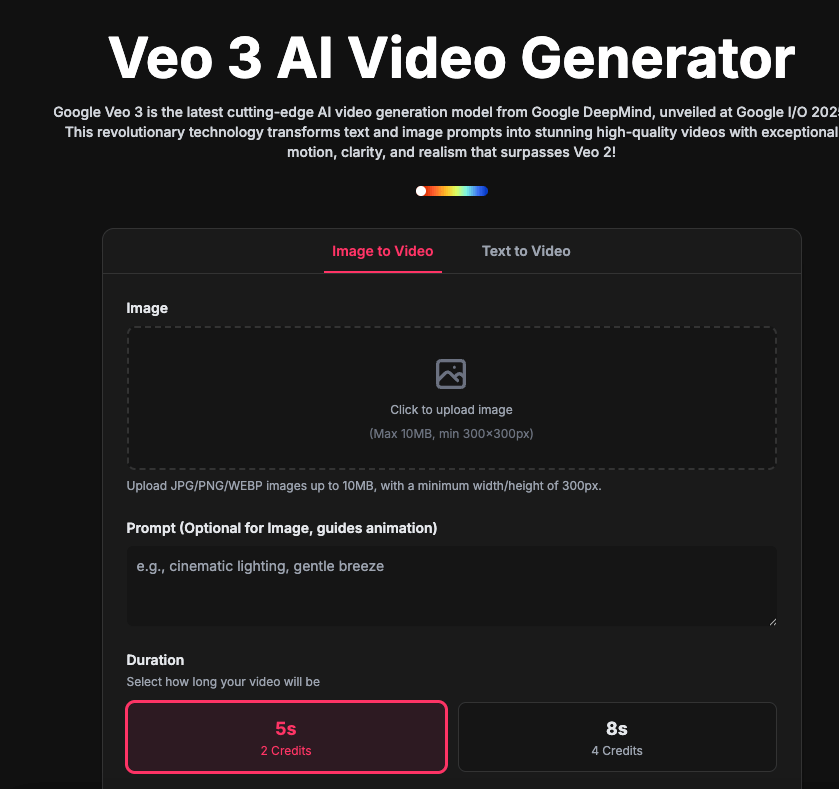
- Web-Based Creative Platforms: Several integrated AI creative suites have licensed Veo 3. These platforms are perfect for those who want a drag-and-drop interface without needing to code.
- Enterprise Workspace Integration: For large-scale businesses, Google has rolled out Veo 3 as part of the Google Cloud ecosystem, allowing for secure, scalable generation of ad creatives on the fly.
Step-by-Step: Your First AI Video Generation
Ready to generate your first clip? Follow these steps to ensure you get the best output from the model.
1. Define Your Prompt Strategy
The quality of your output is directly tied to the clarity of your input. Avoid vague commands. Instead, use a descriptive prompt structure:
- Subject: Who or what is the focus?
- Action: What is happening?
- Style: Are you aiming for photorealism, 3D animation, or a cinematic film grain?
- Camera Movement: Always specify how the “camera” should move to give your video a professional feel.
2. Utilize Image-to-Video
One of the most powerful features of Veo 3 is the ability to upload a reference image. By providing a base image, you maintain brand consistency. Simply upload your asset and use a text prompt to animate specific elements within the frame.
3. Refine with Iterative Controls
Don’t settle for the first result. Use the “Variation” tool in the AI Studio dashboard to tweak specific aspects of your video. You can adjust the motion intensity or the aspect ratio to better fit platforms like TikTok, YouTube Shorts, or widescreen cinema.
.png&w=2048&q=100)
Best Practices for Professional Results
To truly master AI video generation in 2026, you must think like a director. Here are three expert tips for maximizing your results:
- Layering Prompts: If the model struggles with a complex scene, break it down. Generate the background first, then use an overlay to add the subject.
- Focus on Lighting: Always specify the lighting source in your prompt. Terms like “soft volumetric lighting” or “harsh neon glow” significantly impact the mood of the final video.
- Audio Integration: Since Veo 3 generates audio, use specific descriptive words for the soundscape. For example, “a bustling city street with distant sirens and low-frequency wind” will result in a much more immersive experience than just “city noise.”
The Future of Content Creation
As we look toward the remainder of 2026, the barrier between professional film production and individual creative work is continuing to dissolve. Google Veo 3 is at the forefront of this revolution, providing the tools necessary to turn abstract thoughts into visual reality. By mastering these basics today, you are positioning yourself at the cutting edge of the AI-powered creative economy.
Start by logging into Google AI Studio today and experimenting with your first text-to-video prompt. The only limit to what you can create is your own imagination.